
Everyone knows brushing your teeth matters. But the toothbrush you use — and how you use it — matters just as much as the habit itself.
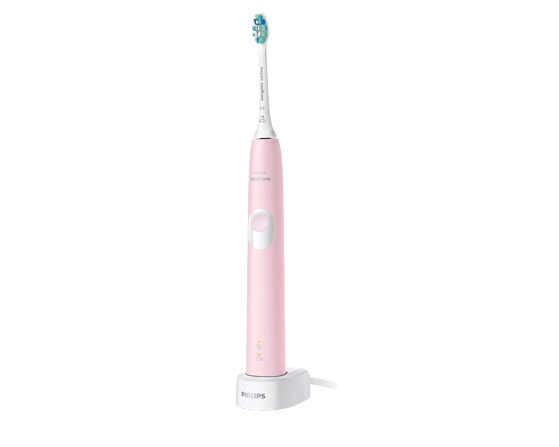
I’ve been using a Sonicare toothbrush personally for over 20 years, and I recommend them to patients regularly. But with so many electric toothbrush options flooding the market, I get asked all the time: is Sonicare still worth it?
Here’s my honest take — including who it’s best for, where it falls short, and the mistakes I see patients make that undo all the benefits.
How the Sonicare Works — and Why It’s Different
The Sonicare uses sonic (ultrasonic) technology, which is different from how most other electric toothbrushes operate. Instead of a rotating or oscillating head, the Sonicare vibrates at extremely high frequencies — up to 31,000 brush strokes per minute — creating fluid dynamics that disrupt and remove the biofilm (plaque) on and around your teeth.
Biofilm is the thin, sticky layer of bacteria that forms on your teeth throughout the day. If it’s not removed consistently, it hardens into tartar, which leads to tooth decay and gum disease. No manual toothbrush can match the cleaning efficiency of a sonic toothbrush for biofilm removal — that’s not opinion, it’s well-documented in dental research.
The main competitor is Oral-B, which uses an oscillating-rotating head. Both are significantly better than a manual toothbrush. The key difference is that Sonicare’s sonic waves clean slightly beyond where the bristles physically touch — which is especially helpful around the gumline, between teeth, and in hard-to-reach areas.
Sonicare Pros and Cons — The Honest Version
What it does well
Keep in mind that there is no perfect toothbrush. The Sonicare comes with its pros and cons.
Better access to hard-to-reach areas. The ultrasonic wave technology disrupts biofilm beyond just where the bristles contact the tooth surface. This makes it particularly effective for people with gum recession, tight spaces between teeth, or crowding. If you have braces or Invisalign, the Sonicare is one of the best tools for keeping those hard-to-clean areas clear of plaque buildup.
Gentler on gums than you’d expect. Despite the power, the Sonicare is actually one of the safest electric toothbrushes for people with sensitive teeth or early gum recession. The pulsing motion is gentler than the scrubbing motion most people use with a manual brush. Many patients who switched from manual to Sonicare reported reduced sensitivity within a few weeks.
Helps with surface staining. The sonic vibrations help loosen and remove extrinsic (surface) stains from coffee, tea, wine, and tobacco more effectively than a manual brush. It won’t replace professional teeth whitening, but patients who brush consistently with a Sonicare tend to maintain a brighter smile between cleanings.
Built-in timer. Most Sonicare models include a two-minute timer with 30-second quadrant alerts. This alone is a game-changer for most people — studies consistently show the average person brushes for less than 60 seconds. Two full minutes, twice a day, is the clinical standard.
Where it falls short
Takes getting used to. The vibration sensation surprises a lot of first-time users — some describe it as ticklish, others find it overpowering at first. Almost everyone adjusts within a week or two, but it’s worth knowing going in.
Can cause damage if used incorrectly. This is the most important con, and I want to be direct about it. Because of the power behind the sonic waves, pressing too hard or making aggressive scrubbing motions while using the Sonicare can cause gum recession and enamel erosion. The correct technique is to hold the brush at a 45-degree angle to the gumline, apply very light pressure, and let the toothbrush do the work. Don’t guide it with force — just glide it slowly from tooth to tooth.
The cost adds up. A quality Sonicare handle runs $60–$180 depending on the model. Replacement heads run $8–$15 each and should be swapped every three months. Budget toothbrush heads and knockoffs are not worth the savings — they wear down faster and the inferior bristle quality can actually scratch enamel.
Who Should Use a Sonicare?
The Sonicare delivers the most benefit for:
Adults with gum recession or early gum disease. If you’ve been told by your dentist that your gums are receding or that you have early signs of periodontal disease, the gentle yet powerful cleaning action of the Sonicare is ideal. Combined with regular professional dental cleanings, it can meaningfully slow progression.
People who snack frequently, drink coffee, or smoke. These habits require more cleaning power than a manual brush can provide. The Sonicare’s stain-disrupting ability helps offset the effects of daily staining habits.
Anyone who struggles to brush long enough. If you know you rush through brushing, the built-in two-minute timer removes the guesswork. Patients who use a timed brush consistently see measurably better plaque scores at their dental checkups.
People with braces, retainers, or Invisalign. Orthodontic appliances create more surface area for plaque to hide. The Sonicare’s reach beyond the bristle contact point makes it one of the best tools for patients in braces who need extra help keeping their teeth clean.
Older adults. As dexterity changes with age, the Sonicare does more of the work automatically. The preventive benefits of consistent, effective brushing compound significantly over time — a great toothbrush is genuinely one of the best long-term investments in your oral health.
The Sonicare is not strictly necessary for everyone. If you’re a thorough brusher with good technique and a healthy mouth, a manual toothbrush used consistently can still do the job. But in my 15-plus years of practice, I’ve rarely met a patient who brushes with perfect technique every time. The Sonicare closes that gap.
Sonicare vs. Oral-B — Which Does Your Dentist Actually Use?
I get this question constantly. My honest answer: both are excellent, and you won’t go wrong with either. The difference is in the mechanism.
Philips Sonicare uses high-frequency vibration (sonic waves) to clean teeth and the surrounding area beyond the bristle contact point.
Oral-B uses oscillation-rotation — the round head spins and pulses to physically sweep plaque off the tooth surface. Studies generally show similar plaque removal effectiveness between the two.
My preference is Sonicare — I’ve used it for over 20 years and find it gentler on the gums for patients with sensitivity. But if you have a patient who loves their Oral-B and has great oral health, I’m not going to tell them to switch.
The toothbrush you’ll actually use consistently is the best toothbrush.
How to Get the Most Out of Your Sonicare
These are the tips I give every patient who starts using a Sonicare:
1. Use the right brush head. Sonicare makes brush heads specifically for sensitive teeth — look for the “Sensitive” or “Ultra Soft” options. Avoid third-party knockoff heads. They’re cheaper for a reason, and inferior bristles wear down faster and can damage enamel.
2. Replace your brush head every 3 months. Worn bristles don’t clean effectively and can become rough enough to scratch enamel. Most Sonicare models include a fading indicator on the bristles to remind you. Set a phone reminder if you need one.
3. Hold it at 45 degrees to the gumline. This is the correct angle for any toothbrush, electric or manual. It allows the bristles to clean just under the gumline where bacteria hide.
4. Let the brush do the work. Apply only the lightest touch — think of the pressure you’d use to hold a ripe peach without bruising it. Move the brush slowly from tooth to tooth. The sonic waves do the heavy lifting.
5. Two minutes, twice a day. Use the built-in timer. Don’t skip it. This is the single most important brushing habit.
6. Don’t forget to floss. No toothbrush — Sonicare included — cleans between teeth. Flossing remains essential. If you struggle with traditional floss, a water flosser is a reasonable alternative, though it doesn’t replace flossing entirely.
7. Pair it with the right toothpaste. If you have sensitivity or want to support enamel health, consider a hydroxyapatite toothpaste. It remineralizes enamel naturally and is an excellent complement to sonic brushing. For cavity prevention, a fluoride toothpaste remains the clinical standard — ask about fluoride treatments at your next visit.
What About Kids? Do They Need a Sonicare?
Philips makes a Sonicare for Kids, which includes an app to make brushing engaging and tracks time automatically. I like it for children around age 9 and up. For younger kids, the sonic vibration can feel intense and overwhelming.
For children under 8, I generally recommend an oscillating electric toothbrush — it’s still far more effective than a manual brush and more comfortable for smaller mouths. Read more in our guide to the best kids electric toothbrush.
The Bottom Line
Is the Sonicare worth it? For most adults, yes — especially if you have any history of gum issues, sensitivity, or you know your brushing habits could be better.
No toothbrush replaces a professional dental cleaning. What happens at your twice-yearly visit — scaling, polishing, and a thorough exam — removes tartar that no home device can touch. But what you do at home every single day determines how much work your hygienist has to do when you come in.
A great toothbrush, used correctly and consistently, is one of the simplest ways to protect your teeth for life. Pair it with regular preventive care and you’re doing everything right.
At Thrive, we give you a FREE electric toothbrush when you refer a friend. And if you’re due for a cleaning, book at any of our locations — Allen, Richardson, Sachse, North Dallas, Frisco, or Dallas.
If you decide to purchase a Sonicare toothbrush, you are one step closer to having a healthier and brighter smile.
Here are some tips to help you maximize the benefits of using a Sonicare:
- Get high quality soft bristle toothbrush heads. Sonicare makes a softer head that is designed for sensitive teeth. And avoid the knock-off brush heads that are poorer quality and can damage the enamel.
- Remember to replace your brush head often to avoid scratching the enamel.
- Only use gentle pressure and a soft gliding motion. Avoid aggressive back-and-forth motion. Let the bristles do the work for you!
At Thrive, we give you a FREE electric toothbrush when you refer a friend! Come see us at one of our convenient locations — Frisco, Allen, Sachse, Richardson, Dallas, and North Dallas. Book a cleaning today!
Frequently Asked Questions
Is the Sonicare toothbrush actually better than a manual toothbrush?
Yes, for most people. Studies consistently show sonic electric toothbrushes remove more plaque and reduce gingivitis more effectively than manual brushing. The built-in timer alone improves brush time significantly.
Can the Sonicare damage your teeth or gums?
It can, if used incorrectly. Pressing too hard or scrubbing aggressively with a Sonicare can cause gum recession and enamel wear. The correct technique is extremely light pressure with slow, gliding movements — let the vibration do the work.
How often should I replace my Sonicare brush head?
Every three months, or sooner if the bristles look frayed or the color indicator has faded. Worn heads don’t clean effectively and can become abrasive.
What electric toothbrush do dentists recommend?
Most dentists recommend either Sonicare or Oral-B — both are backed by strong clinical evidence. Sonicare tends to be preferred for patients with sensitivity or gum concerns. Oral-B’s oscillating head is also highly effective. Avoid cheap knockoff brands with no clinical backing.
Can I use a Sonicare if I have braces?
Yes — with care. Use a brush head designed for braces or orthodontic use, apply very gentle pressure, and take extra time around brackets and wires. The Sonicare’s ability to clean beyond bristle contact makes it especially helpful for braces patients.
Can I use a Sonicare with dental implants, crowns, or veneers?
Yes. The Sonicare is safe for use around dental implants, crowns, and restorations — just use gentle pressure. Keeping the area around implants clean is especially important for long-term success.
Author: Dr. Christine Coughlin, DDS — Dallas-based dentist and co-founder of Thrive Dental and Orthodontics.