
Home › Dental and Orthodontic Services › Orthodontist › Braces

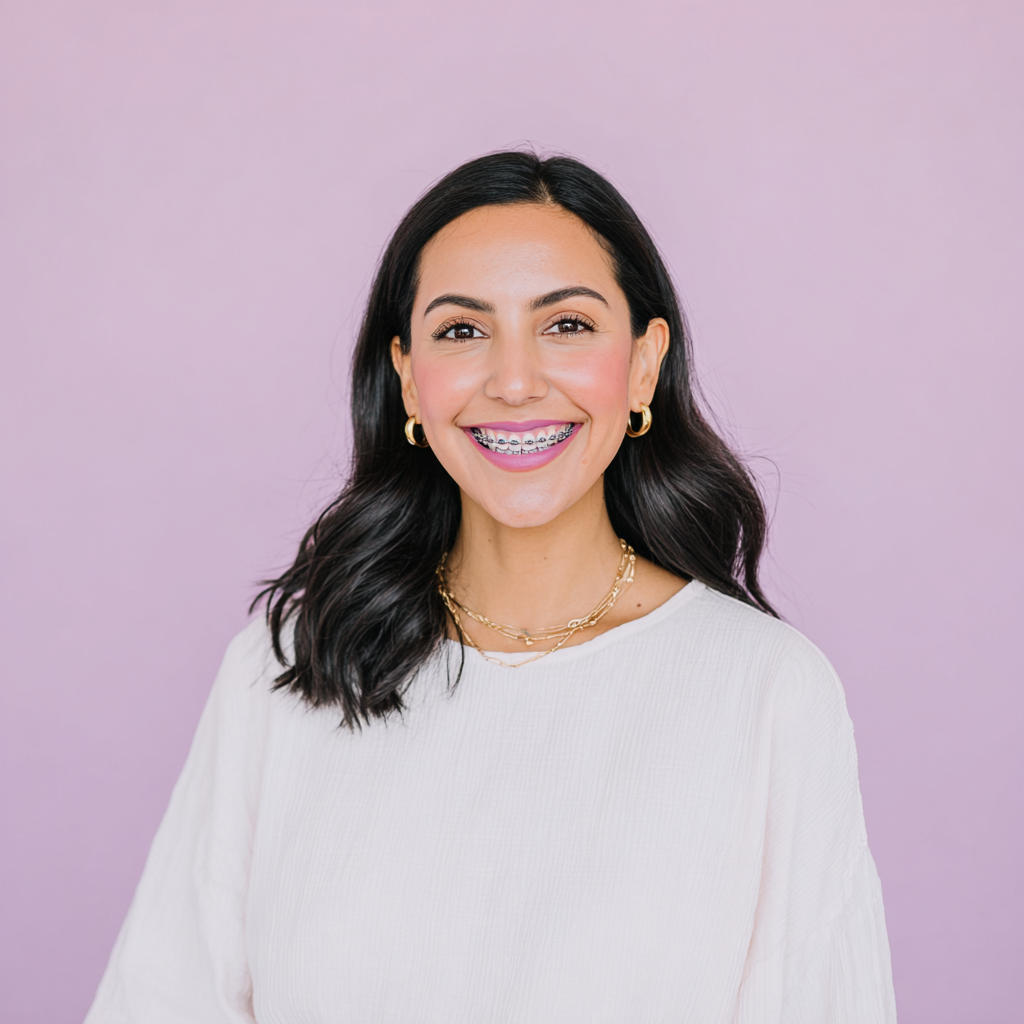
If you’re considering braces for yourself or your child, you’re in the right place. At Thrive Dental & Orthodontics, braces are what we do. Our orthodontists have treated thousands of patients and delivered great smiles from all over the Dallas metroplex.
We offer free orthodontic consultations, flexible payment plans, and complimentary whitening for life when you complete your treatment with us. If you’re ready to start, book a free consultation at the Thrive location nearest you.
Braces are one of the most proven and versatile treatments in dentistry. They work by applying consistent, controlled pressure to gradually move teeth into correct alignment — improving both the appearance of your smile and how your bite functions.
Most people think braces are purely cosmetic. They’re not. Misaligned teeth and bite problems have real consequences for your oral health: they’re harder to clean, they create abnormal wear on enamel, and they can stress the jaw joints in ways that lead to TMJ pain and tooth fractures over time. Correcting these issues with braces is an investment that pays off in dental health for decades.
Braces may be right for you or your child if you have:
Not sure if you need braces? Our orthodontic team offers a free consultation where we will evaluate your teeth, bite, and jaw and give you an honest recommendation — including whether braces, Invisalign, or no treatment at all is the right answer for your situation. For a detailed breakdown of what we look for, see our guide on 9 signs you or your child need braces.
Metal braces are the gold standard of orthodontic treatment — and for good reason. Stainless steel brackets are bonded to the front of each tooth, connected by an archwire that guides tooth movement over time. At each appointment, Dr. Coughlin adjusts the wire to continue progressing your treatment.
Metal braces give your orthodontist the highest level of control over tooth movement, making them the most effective option for complex bite corrections and significant crowding. They’re also the most affordable type of braces and are equally effective for children and adults.
The rubber elastics that hold the wire in the brackets come in dozens of colors — one of the few genuinely fun parts of orthodontic treatment for kids. Colors are changed at every appointment, so patients always have something new to show off.
Treatment time with metal braces is typically 18–36 months depending on case complexity. At Thrive, metal braces include free retainers and complimentary whitening for life after treatment.
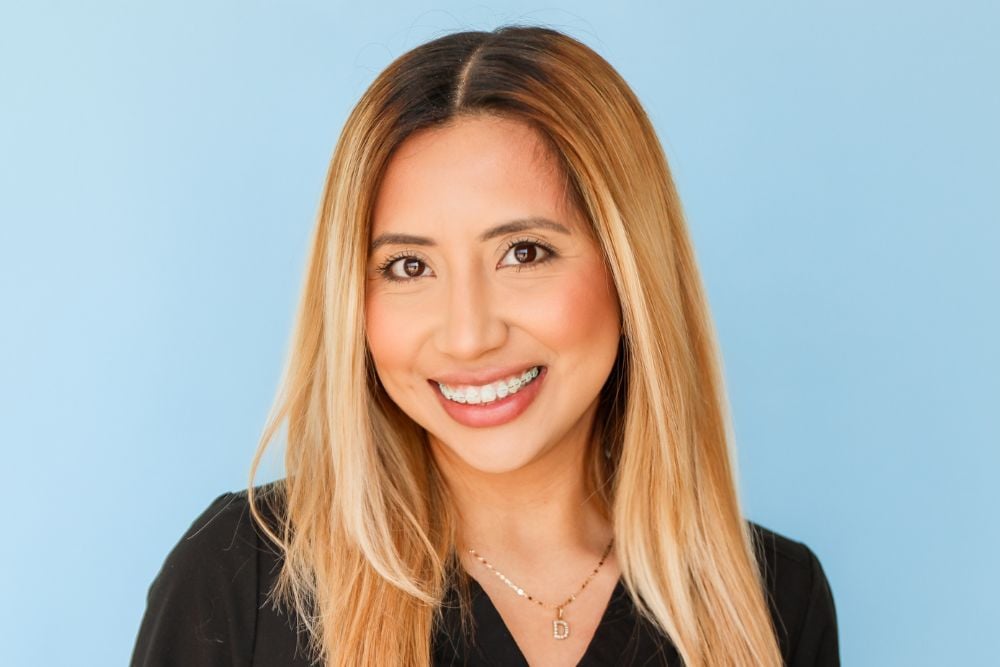
Ceramic braces work exactly like metal braces but use tooth-colored or clear brackets that blend in with your enamel, making them significantly less noticeable. For patients who want the effectiveness of traditional braces with a more discreet appearance, ceramic braces are an excellent middle ground.
They’re most popular with adult patients and older teens who are self-conscious about the look of metal brackets. One consideration: ceramic brackets are slightly more brittle than metal, so they require a bit more care with harder or stickier foods. They’re also slightly more expensive than metal braces due to the higher material cost.
Invisalign is a completely bracket-free alternative using a series of custom-made clear plastic aligners that gradually shift your teeth. Each set is worn for about two weeks before progressing to the next. You remove them for eating, brushing, and flossing — which makes hygiene during treatment much simpler than with traditional braces.
Invisalign is an excellent option for adults and teens with mild to moderate alignment issues. For complex bite corrections or severe crowding, traditional braces generally give the orthodontist more precise control. Dr. Coughlin will be direct with you about which option is better suited to your specific case — including when Invisalign is and isn’t the right call.
Braces aren’t just for teenagers. At Thrive, a significant portion of our orthodontic patients are adults — many in their 30s, 40s, 50s, and beyond. It is never too late to straighten your teeth, and adult teeth respond to orthodontic treatment just as well as younger teeth.
Adult braces at Thrive are designed around your lifestyle. We offer flexible appointment scheduling, a choice of metal or ceramic brackets, and Invisalign for patients who prefer a less visible treatment option. We also understand that adults often have existing dental work — crowns, bridges, implants — and we build treatment plans that account for your complete oral health picture.
Many of our adult patients tell us they wish they’d done it sooner. If you’ve been putting it off, a free consultation is a low-commitment way to understand your options.
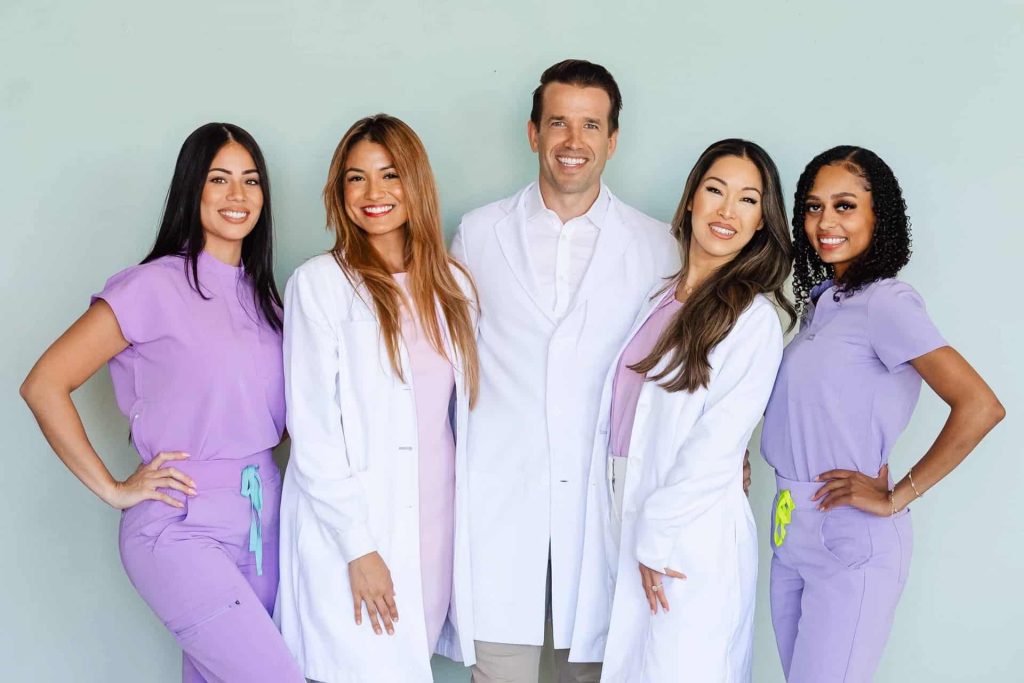
Your first visit is a no-pressure consultation. Dr. Coughlin will examine your teeth, take X-rays and photos, evaluate your bite, and walk you through his findings. If treatment is recommended, he’ll present your options — including type of braces, estimated treatment time, and cost — and answer every question you have. There’s no obligation and no hard sell.
Once you decide to move forward, your bonding appointment is when the brackets are attached to your teeth. The process is comfortable and typically takes 60–90 minutes. Dr. Coughlin bonds each bracket precisely to guide tooth movement in the exact direction needed for your treatment plan. You’ll receive orthodontic wax, a care kit, and detailed instructions before you leave.
Most patients experience some soreness and pressure for the first 3–5 days as teeth begin responding to the new forces. Soft foods and acetaminophen help significantly during this period.
You’ll return every 6–10 weeks for adjustment appointments. At each visit, Dr. Coughlin evaluates your progress, changes the wire, and makes any modifications needed to keep treatment on track. These appointments typically take 20–40 minutes and are where the real work of orthodontics happens — each wire change advances your teeth incrementally toward the final result.
When your teeth have reached their final position, the brackets are removed and your teeth are polished. You’ll receive custom retainers — typically a set of clear retainers for nighttime wear and, in many cases, a fixed wire retainer bonded behind the front teeth for permanent stability.
Wearing your retainer as directed is essential. Teeth have a strong natural tendency to shift back toward their original positions, particularly in the first year after treatment. We include retainers in your treatment and provide follow-up care to make sure your results last.
Treatment time varies based on the complexity of your case:
Mild crowding or spacing issues typically resolve in 12–18 months. Moderate cases — which make up the majority of our patients — usually take 18–24 months. Complex bite corrections or severe crowding can take 24–36 months. The best predictor of treatment length is case complexity, not age — adult teeth move at a comparable rate to younger teeth with proper orthodontic mechanics.
Your specific timeline will be discussed at your free consultation. We give honest estimates and update you throughout treatment so you always know where things stand.
Braces at Thrive are priced competitively for the Dallas area, and we offer flexible payment plans to make treatment accessible without a large upfront commitment.
The cost of braces depends on case complexity, treatment length, and the type of braces chosen. Metal braces are generally the most affordable option. Ceramic braces carry a modest premium due to material cost. Invisalign is typically the highest cost option due to lab fabrication fees.
We accept most major dental insurance plans that include orthodontic coverage, and we work with your insurance to maximize your benefits. For patients without insurance, our in-house payment plans break treatment costs into manageable monthly installments.
Want to understand exactly what braces cost and why? Dr. Coughlin wrote an honest breakdown in our post on why braces cost so much. Short answer: you’re paying for the materials, the orthodontist’s expertise, every adjustment appointment across 18–36 months, and lifelong retention — and compared to the cost of correcting untreated bite problems later, it’s very good value.
For insurance-specific questions, visit our dental insurance page or ask our front desk team — they’ll verify your benefits before your consultation so you know exactly what to expect.
Good hygiene during orthodontic treatment protects your investment. Here’s what Dr. Coughlin recommends to every braces patient:
Brush after every meal. Food traps around brackets and wires quickly. An electric toothbrush — specifically a sonic model — is significantly more effective at cleaning around brackets than a manual brush. Budget 2–3 minutes minimum.
Floss every day. Use floss threaders or orthodontic flossers to navigate under the wire. This is non-negotiable for preventing gum disease during treatment.
Rinse with fluoride mouthwash nightly. This is your best defense against white spot lesions — the chalky patches that can form around brackets when enamel is exposed to acid. A nightly fluoride rinse (ACT is a reliable brand) mineralizes enamel before bed.
Keep your regular dental cleanings. Don’t skip your biannual cleaning appointments during orthodontic treatment. Your hygienist removes buildup your toothbrush can’t and monitors your gum health throughout.
Avoid hard, sticky, and chewy foods. Popcorn, hard candies, ice, caramel, and similar foods can break brackets or bend wires, adding unplanned appointments and potentially extending your treatment timeline.
For a full guide on protecting your teeth during treatment, read our article on why braces can be bad for you — and how to prevent it.
We offer braces and orthodontic treatment at all six of our Dallas-area locations, making it convenient to get the care you need close to home or work.
All locations offer free orthodontic consultations, flexible scheduling, and the same high standard of care from Dr. Coughlin’s team.
The American Association of Orthodontics recommends a first orthodontic evaluation by age 7. Most children who need braces begin treatment between ages 10 and 14, when most permanent teeth have erupted and the jaw is still developing. That said, there’s no upper age limit — we treat adults of all ages. See our full guide on when your child should get braces.
The bonding appointment itself is painless. Soreness begins several hours after placement as teeth start responding to pressure, peaking around 24–72 hours. Subsequent adjustment appointments cause similar temporary soreness. Most patients manage well with acetaminophen (not ibuprofen — it can interfere with tooth movement) and soft foods. Read more in our honest overview of why braces can be uncomfortable and how to manage it.
Yes — but wear a mouthguard. A custom-fitted mouthguard protects both your brackets and your lips and cheeks from impact. Ask our team for a recommendation if you participate in contact sports.
Call us and we’ll schedule a repair appointment promptly. A broken bracket doesn’t cause an emergency in most cases, but it should be fixed within a week or two to keep treatment on track. If a wire is poking, use orthodontic wax to cover the sharp end and call our emergency orthodontist line.
In most cases, yes. Brackets can’t be bonded to crowns the same way they bond to enamel, but there are workarounds. Dental implants don’t move with orthodontic forces the way natural teeth do, which is a factor in treatment planning. Dr. Coughlin will evaluate your complete dental history at your consultation and design a plan that accounts for any existing restorations.
Braces use fixed brackets and wires to move teeth with continuous force. Invisalign uses removable clear aligners changed every two weeks. Braces give the orthodontist more direct control over tooth movement and tend to be better for complex cases. Invisalign offers more convenience and hygiene flexibility. Cost and case suitability both factor into the decision — we’ll give you an honest comparison at your consultation.
Ready to get started? Book a free braces consultation at any of our six Dallas-area locations. Dr. Coughlin and our team will walk you through your options, give you a realistic treatment timeline and cost estimate, and answer every question — no pressure, no obligation.

Braces create a strong, balanced bite and a smile that supports lifelong dental health. I’ve seen how the right alignment can boost confidence and make everyday care easier, setting patients up for success well beyond treatment.

Conveniently located throughout the Dallas area to serve you better