
As a dentist and a mom, I get asked about baby toothpaste constantly. Which one is safe? Does my baby even need toothpaste? What about fluoride?
The honest answer may surprise you: toothpaste isn’t actually the most important part of your baby’s dental routine — brushing is. It’s the physical motion of the brush that removes biofilm and prevents plaque from hardening into tartar. A good toothpaste supports that process, but it doesn’t replace it.
That said, choosing the right toothpaste for your baby does matter — especially because babies under three swallow almost everything that goes in their mouths. That’s exactly why I put this guide together.
Does My Baby Even Need Toothpaste?
Technically, no — not before age two. The American Academy of Pediatric Dentistry (AAPD) recommends that children under two only use fluoride toothpaste if a dentist specifically recommends it, and even then in the tiniest amount. For most babies, plain brushing is sufficient.
The most important thing is that you start brushing early and make it a consistent, positive routine. As soon as your baby’s first tooth appears — usually around 6 months — start brushing after meals and before bed.
Plaque that isn’t removed within 48 hours begins to harden and calcify into tartar, which can only be removed by a professional dental cleaning. Getting ahead of that process early is one of the best gifts you can give your child’s long-term dental health.
If you do use toothpaste for a baby under two, use no more than a smear — roughly the size of a grain of rice. For toddlers ages 2–3, a pea-sized amount is appropriate.

Why Babies Need a Special Toothpaste
Most adult toothpastes — and many products marketed as “children’s toothpaste” — contain ingredients that are fine for adults to spit out but genuinely problematic when swallowed repeatedly by a developing baby.
Before around age three, children don’t have reliable spitting ability. Whatever is in the toothpaste gets swallowed. That’s the core issue, and it’s why ingredient selection matters so much in this age group.
Don’t be fooled by “natural” or “kids” labeling on the packaging. Many of those products still contain the same ingredients found in adult formulas. Always read the label.
Toothpaste Ingredients to Avoid for Babies and Toddlers
1. Fluoride
This one generates the most questions. My position: fluoride-free is the right choice for babies and young toddlers.
Fluoride is beneficial for cavity prevention when applied topically to teeth — that’s well established. But when it’s swallowed in significant amounts, fluoride is toxic and can interfere with a baby’s developing brain and neurological system. The developing body is far more vulnerable to fluoride toxicity than an adult’s.
The concern isn’t a single swallowed brushing — it’s daily cumulative ingestion over months and years. Fluoride toothpaste for very young children who can’t yet spit reliably adds an unnecessary burden.
Fluoride has its place. We offer professional fluoride treatments at Thrive as a targeted, professionally supervised topical application — which is a very different thing from daily ingestion through toothpaste. Once your child can reliably spit (usually around age 3), a fluoride toothpaste becomes a reasonable option.
If you want cavity protection for your baby without the fluoride concern, hydroxyapatite is an excellent alternative — more on that below.
2. SLS (Sodium Lauryl Sulfate)
SLS is a detergent surfactant used in toothpaste to create that foamy lather. It’s completely unnecessary for cleaning effectiveness — it’s there for the user experience. For babies and toddlers, it’s a harsh chemical with no benefit. Studies have linked SLS to increased canker sore outbreaks, and it can irritate the delicate tissues of a baby’s developing mouth. Skip it entirely.
3. Essential oils
This one surprises many parents because essential oils sound natural and gentle. The issue is that antibacterial essential oils like tea tree oil, eucalyptus, and peppermint don’t selectively target bad bacteria — they disrupt the entire oral microbiome, including the beneficial bacteria your baby needs to develop a healthy mouth environment. A baby’s oral microbiome is still forming in the first years of life, and disrupting it early can actually increase long-term cavity risk. Look for toothpastes that rely on xylitol or hydroxyapatite for cavity protection instead.
4. Artificial sweeteners and dyes
Standard kids toothpaste brands often contain artificial flavors, colors, and sweeteners to make them more palatable. None of these have any place in a product that’s going to be regularly swallowed by a baby.
5. Triclosan
An antibacterial agent that’s been removed from many products but still appears in some older formulations. It’s classified as an endocrine disruptor and has no place in baby products. Check labels of anything that’s been sitting in your medicine cabinet for a while.
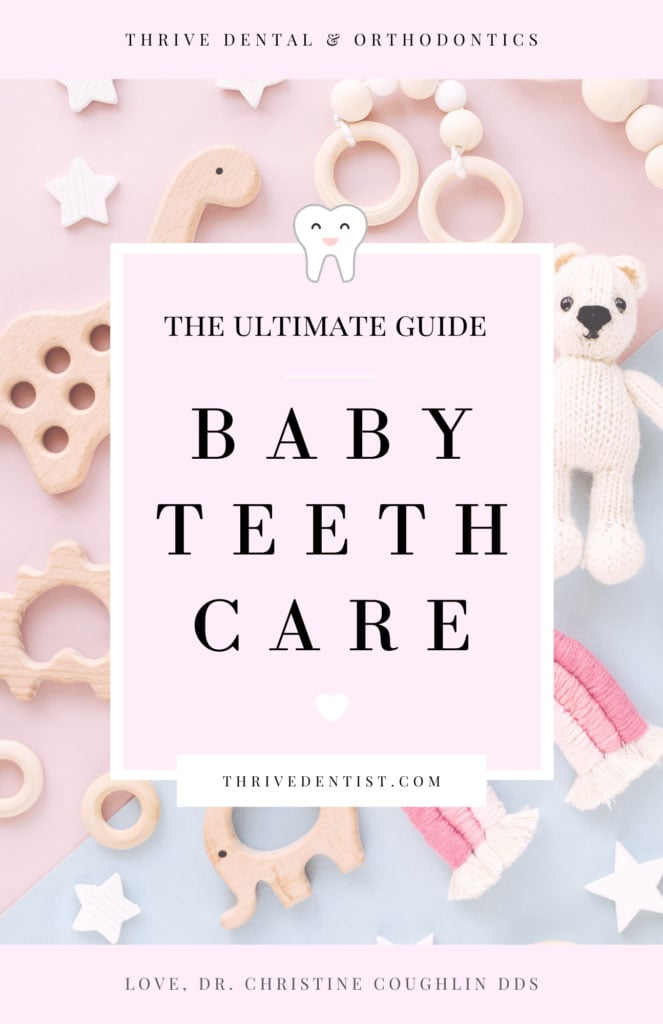
So I created this Comprehensive Baby Teeth Care Guide for you to download for FREE.
Now you’ll have all the tools for starting your child on the right path for amazing dental health for life!
The Best Non-Toxic Baby Toothpastes (Ages 6–24 Months)
These are my personal recommendations for safe, non-toxic toothpastes for babies under two. This is not an ad — these are products I’ve researched and would use with my own family.
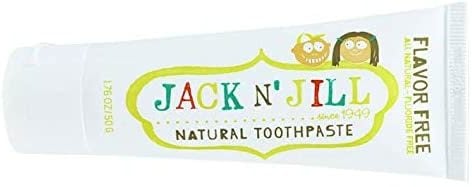
1. Jack n’ Jill Natural Toothpaste
A clean, simple formula with a short, readable ingredient list. Jack n’ Jill uses xylitol as its cavity-fighting agent and comes in kid-friendly flavors babies actually like. No fluoride, no SLS, no artificial colors.
Ingredients: Xylitol, Purified Water, Vegetable Glycerin (Coconut derived), Silica, Xanthan Gum, Potassium Sorbate (Naturally derived), Citric Acid
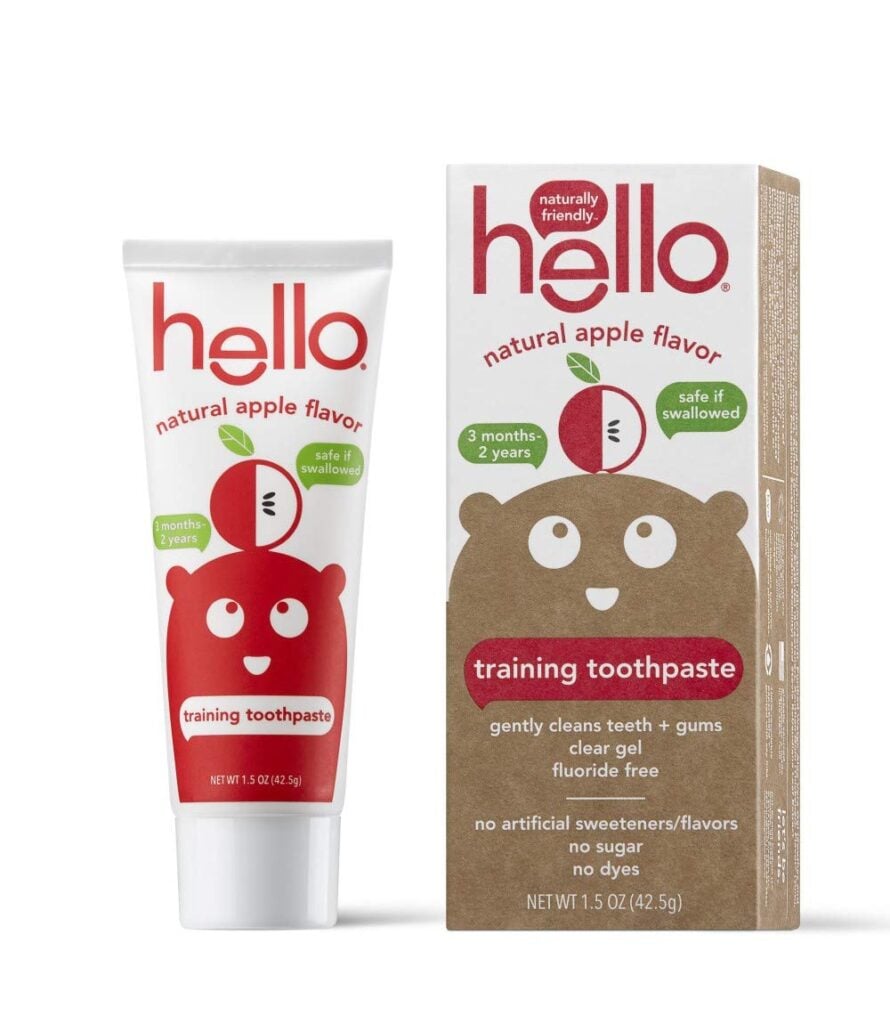
2. Hello Toddler Training Toothpaste
A gentle fluoride-free option with aloe vera and calcium glycerophosphate for added mineral support. Xylitol provides natural cavity protection. No artificial sweeteners, no SLS.
Ingredients: Vegetable glycerin, sorbitol, purified water, aloe vera gel, hydrated silica, xylitol, erythritol, xanthan gum, flavor, calcium glycerophosphate, potassium sorbate, stevia rebaudiana leaf extract
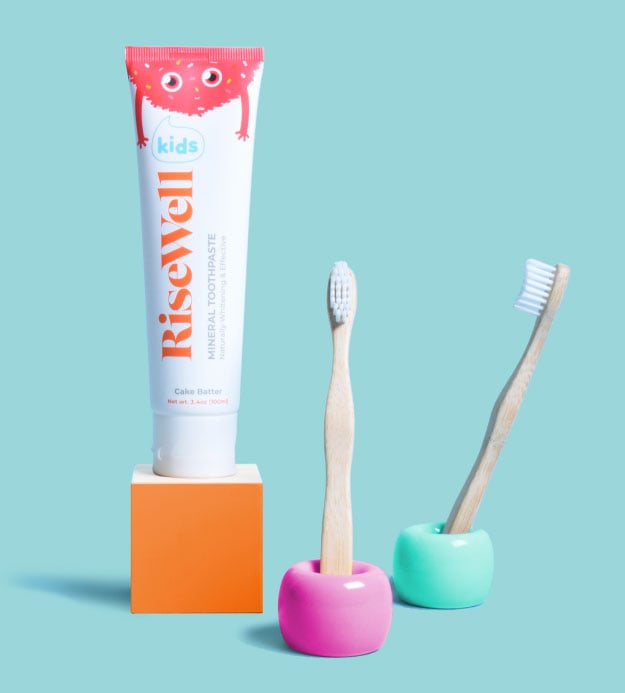
3. RiseWell Kids’ Mineral Toothpaste
My top pick for parents who are specifically concerned about cavity prevention. RiseWell uses hydroxyapatite — the same mineral that makes up 97% of your tooth enamel — to actively remineralize tooth structure. It’s fluoride-free, non-toxic, and has a clean ingredient profile. This is the toothpaste I’d reach for if your child has had early signs of decay or if cavity risk is a concern.
Ingredients: Silica, Sorbitol, Glycerin, Xylitol, Hydroxyapatite, Calcium Carbonate, Propanediol, Vanilla Planifolia Fruit Extract, Potassium Cocoate, Stevia Rebaudiana Extract, Erythritol, Echinacea Purpurea Extract, Cellulose Gum, Gluconate, Xanthan Gum
What Is Hydroxyapatite and Why Does It Matter for Babies?
Hydroxyapatite (HAp) deserves its own section because it’s become one of the most important advances in non-fluoride cavity prevention — and it’s especially relevant for babies and toddlers who swallow their toothpaste.
Hydroxyapatite is a naturally occurring form of calcium that makes up the majority of your tooth enamel and dentin. When used in toothpaste, it bonds directly to the tooth surface and fills in microscopic defects in enamel — a process called remineralization. It’s the same material your body uses to build and repair teeth naturally.
Unlike fluoride, hydroxyapatite is completely biocompatible and non-toxic when swallowed. It doesn’t carry the systemic toxicity concerns that make fluoride problematic for babies. Studies from Japan — where HAp toothpaste has been in use for decades — consistently show it to be as effective as fluoride for cavity prevention in children.
We talk more about hydroxyapatite toothpaste for the whole family in a separate post if you want to dig deeper into the science.
In addition, Want to learn how to prevent cavities in your family?
Download my free guide: How to Heal & Prevent Cavities for Life. This guide will give you 10 easy tips to help your family live free from cavities.
What About Xylitol? Is It Safe for Babies?
Yes — xylitol is one of the safest and most evidence-backed natural cavity fighters available. It’s a naturally occurring sugar alcohol found in many fruits and vegetables. Unlike regular sugar, xylitol cannot be metabolized by the bacteria (specifically Streptococcus mutans) that cause tooth decay. Over time, regular xylitol exposure reduces the overall cavity-causing bacteria in the mouth.
Xylitol is safe for babies and toddlers in the small amounts found in toothpaste. It’s a completely reasonable fluoride alternative for this age group and is found in both Jack n’ Jill and Hello formulas above.
One important note: xylitol is highly toxic to dogs. Keep all xylitol-containing products well out of reach of pets.
When Should I Start Brushing My Baby’s Teeth?
Start as soon as the first tooth erupts — typically around 6 months, though timing varies. Don’t wait until multiple teeth are in. Even a single tooth can develop plaque and early decay if it’s not being cleaned.
Before the first tooth appears, you can begin preparing your baby by wiping their gums with a clean, damp washcloth after feedings. This removes milk residue and helps your baby get accustomed to the sensation of having their mouth cleaned — making the transition to a toothbrush much easier.
For more on the full baby teeth timeline — including when each tooth type usually erupts and what to expect — see our complete baby teeth care guide.
How to Brush a Baby’s Teeth
Getting a baby to tolerate tooth brushing is one of the most common struggles I hear from parents. Here’s what works:
Choose the right brush. Use a soft-bristle brush specifically designed for infants, with a small head that fits comfortably in a baby’s mouth. Silicone finger brushes work well for very young babies just getting started.
Position matters. Never brush while your baby is lying flat on their back — this triggers the gag reflex. Sit them upright on your lap, facing away from you, so you can see into the mouth and access all surfaces.
Use a smear, not a stripe. For babies under two, toothpaste amount should be no more than a grain of rice. For ages 2–3, increase to a pea-sized amount.
Focus on consistency over perfection. Your baby won’t hold still perfectly. That’s fine. The goal in the early months is establishing the routine and making it a positive experience, not achieving a perfect clean every time.
Brush after meals and before bed. After the last feeding of the day is especially important — milk left on teeth overnight significantly increases decay risk.
Make it fun. Sing a song, use a silly voice, let them hold their own brush while you use a second one. The more positive the association with tooth brushing, the easier it gets as they grow.
For toddlers starting to assert independence, giving them some choice in the process helps — let them pick the toothbrush character, the toothpaste flavor, or which teeth to start with. Our guide on how to get kids to brush their teeth has more strategies that actually work.
What Toothpaste for Ages 2–5?
Once your toddler can reliably spit (typically around age 3, though this varies), the toothpaste options expand. You can continue with a non-toxic fluoride-free option like the ones above, or introduce a fluoride toothpaste in a pea-sized amount with close supervision to make sure they’re spitting.
For ages 2 and up, the best kids electric toothbrush becomes a great investment too. Electric toothbrushes are dramatically more effective than manual brushes for plaque removal, and most kids find them more engaging. The built-in timer helps ensure they brush long enough.
Our children’s dentistry team can also walk you through toothpaste selection at your child’s first dental visit and give personalized recommendations based on their individual risk factors.
When Should My Baby Have Their First Dental Visit?
The recommendation from the American Academy of Pediatric Dentistry is to schedule a child’s first dental visit by their first birthday, or within six months of the first tooth erupting — whichever comes first.
That might seem early, but that first visit is more about education and prevention than treatment. We’ll check your baby’s development, spot any early signs of concern, clean any erupted teeth, and give you personalized guidance on brushing technique, diet, and toothpaste selection.
Starting early also means your child builds a positive relationship with the dentist before there’s ever a problem. That’s one of the biggest predictors of lifelong dental health — kids who aren’t afraid of the dentist come in regularly, and regular preventive care is what keeps their teeth healthy long-term.
We welcome babies and toddlers at all of our Thrive locations — Allen, Richardson, Sachse, North Dallas, Frisco, and Dallas. Book your baby’s first visit today.
Frequently Asked Questions
What toothpaste is safe for a 1-year-old?
For a one-year-old, choose a fluoride-free, SLS-free toothpaste with a clean ingredient list. Jack n’ Jill and RiseWell Kids are both excellent choices. Use only a grain-of-rice-sized smear. The most important thing at this age is establishing a consistent brushing routine.
Is fluoride toothpaste safe for babies?
Not for babies under two who swallow their toothpaste. Ingested fluoride is toxic and can affect neurological development. Wait until your child can reliably spit — usually around age 3 — before introducing a fluoride toothpaste, and even then use a pea-sized amount with supervision. We offer professional fluoride treatments as a safer targeted alternative for younger children.
What is the safest toothpaste for toddlers?
Look for toothpaste that is free of fluoride, SLS, artificial colors, and essential oils. Ingredients to look for positively include xylitol and hydroxyapatite, both of which protect against cavities without toxicity concerns. RiseWell Kids, Jack n’ Jill, and Hello Training Toothpaste are all solid choices.
Do babies need toothpaste at all?
No — brushing technique matters more than toothpaste at this age. The physical act of brushing disrupts plaque biofilm regardless of what’s on the brush. If you do use toothpaste, keep it to a grain-of-rice-sized smear and choose a non-toxic formula.
When should I switch from baby toothpaste to kids toothpaste?
Generally around age 3, once your child can reliably spit. At that point, a pea-sized amount of fluoride toothpaste becomes appropriate with supervision. Continue checking labels — many “kids” toothpastes still contain SLS and artificial additives. Our children’s dentist team can help you make the right call for your child specifically.
Can I make my own baby toothpaste?
Yes — a simple DIY option is a small amount of coconut oil with a drop of xylitol. For a more complete recipe, askthedentist.com has a well-regarded dentist-formulated version worth trying.
In summary: you don’t need toothpaste to start your baby on the right path — you need brushing. But when you do use toothpaste, choose one that’s free of fluoride, SLS, and antibacterial essential oils, and look for xylitol or hydroxyapatite as the active protective ingredient.
The most important thing you can do right now is make tooth brushing a positive, consistent part of your baby’s daily routine. That habit — established early — will serve them for life.
By Dr. Christine Coughlin, DDS — Dallas-based dentist and co-founder of Thrive Dental and Orthodontics.
Learn more: