
As a parent, it’s completely normal to wonder, “Does my child need braces?” You want to make sure your child’s smile is developing properly, but it can be difficult to tell what’s considered normal and what may need extra attention.
The good news is that many orthodontic concerns can be identified early, often before all the adult teeth come in. Early evaluations allow orthodontists to monitor jaw growth, create room for incoming teeth, and help prevent more complicated issues later on.
In fact, the American Association of Orthodontists recommends children receive their first orthodontic evaluation by age 7. At this age, important changes are happening with jaw development and permanent teeth eruption that can reveal early signs of bite or alignment concerns.
At Thrive Dental & Orthodontics, we know every child develops differently. Sometimes a child may need early treatment, while other times we simply monitor growth and guide parents along the way. Our goal is always to help children feel confident, comfortable, and excited about their smile journey.
1. Crowded or Crooked Teeth
One of the most common signs your child may need orthodontic care is crowding. If teeth overlap, twist, or appear cramped together, there may not be enough room in the mouth for permanent teeth to erupt properly.
Crowded teeth can make brushing and flossing more difficult, which may increase the risk of cavities and gum irritation over time. Straight teeth are often easier to clean and maintain, supporting better long-term oral health.
You may notice:
- Teeth overlapping or rotating
- Adult teeth erupting behind baby teeth
- Limited space between teeth
- Teeth coming in at unusual angles
If you’ve been wondering how to tell when your child needs dental care for crooked teeth, crowding is one of the earliest signs parents notice. Learn more about modern braces options for children and teens.
2. Early or Late Loss of Baby Teeth
Baby teeth play an important role in guiding permanent teeth into place. When baby teeth fall out too early, or stay too long, it can sometimes affect how adult teeth erupt.
Some signs to watch for include:
- Adult teeth growing in behind baby teeth
- Delayed tooth eruption
- Baby teeth remaining loose for long periods
- Teeth erupting in unusual positions
It’s actually common for parents to feel unsure about whether their child’s tooth development is on track. Every child develops at a slightly different pace, but an orthodontic evaluation can help identify whether the smile is developing normally or if guidance may help prevent future crowding or bite concerns.
The American Dental Association recommends establishing dental visits early in childhood so dental and orthodontic concerns can be monitored as children grow.
3. Difficulty Biting or Chewing
If your child struggles to bite into foods comfortably or seems to avoid certain textures, it could be related to bite alignment.
Orthodontic issues can affect how the upper and lower teeth fit together, which may impact chewing efficiency, comfort, and even speech development.
Common bite concerns include:
- Overbite
- Underbite
- Crossbite
- Open bite
The purpose of orthodontic treatment is not just creating a straighter smile, it’s also about helping the teeth and jaws function properly together.
According to the American Association of Orthodontists, early treatment can sometimes improve bite function and jaw development before growth is complete.
4. Mouth Breathing or Frequent Snoring
Children who consistently breathe through their mouths may be showing signs of jaw or airway development concerns. While mouth breathing can have multiple causes, orthodontic problems can sometimes contribute to narrow arches or improper jaw positioning.
You may notice:
- Open-mouth posture during the day
- Dry lips or dry mouth
- Snoring during sleep
- Restless sleep habits
Because children are still growing, early orthodontic guidance may help support healthier oral development and jaw growth while they are young.
The Cleveland Clinic explains that chronic mouth breathing in children can sometimes affect facial and dental development.
5. Thumb Sucking Beyond Age 4
Thumb sucking and prolonged pacifier use are very common in younger children. But when these habits continue beyond age 4, they can begin affecting the way the teeth and jaws develop.
Long-term sucking habits may contribute to:
- Open bites
- Protruding front teeth
- Narrow upper jaws
- Speech concerns
Parents often feel worried or frustrated about these habits, but you’re not alone. Many children need extra encouragement and support as they outgrow comforting habits. Early orthodontic evaluations can help determine whether any bite changes are developing and whether treatment or monitoring may help.
The Mayo Clinic notes that prolonged thumb sucking can affect the roof of the mouth and tooth alignment.
6. Teeth That Stick Out Too Far
Front teeth that protrude outward are more vulnerable to chips, fractures, and dental injuries during sports or everyday play.
Children with significant overjet (“buck teeth”) may also feel self-conscious about their smile as they get older. Early orthodontic care can sometimes reduce the risk of injury while improving alignment and confidence.
At Thrive Dental & Orthodontics, we believe orthodontic care is about more than appearance. A healthy, balanced bite can support better comfort, oral health, and long-term smile function.
If your child experiences a dental injury, our compassionate children’s emergency dentist team is here to help.
7. Jaw Shifting, Popping, or Uneven Bites
Pay attention to how your child’s jaw moves when they open and close their mouth. Sometimes parents notice clicking sounds, shifting, or bites that don’t seem to line up evenly.
Signs of jaw imbalance may include:
- Clicking or popping sounds
- The jaw shifting side to side
- Teeth not fitting together evenly
- Facial asymmetry
These symptoms may indicate developing bite concerns that benefit from early monitoring and guidance.
Because the jaws are still growing during childhood, early evaluations may help identify concerns before they become more difficult to correct later on.
Can Braces Help with Speech Problems in Children?
Sometimes orthodontic concerns affect more than just the appearance of a smile. Bite problems and jaw alignment issues can also influence how your child speaks.
Children with open bites, severe crowding, or jaw positioning concerns may have difficulty pronouncing certain sounds clearly. You might notice lisps, trouble with “S” sounds, or speech patterns that seem delayed compared to peers.
While not every speech concern is related to orthodontics, an early evaluation can help determine whether tooth or jaw alignment may be contributing. In some cases, guiding jaw growth and tooth positioning early can support clearer speech development and improved oral function.
At What Age Should I Take My Child to the Dentist for Orthodontic Concerns?
Many parents ask, “At what age should I take my child to the dentist for braces or orthodontic care?”
Children should begin routine dental visits around the time their first tooth erupts or by their first birthday. As they grow, your family dentist can monitor smile development and recommend an orthodontic evaluation if needed.
The American Association of Orthodontists recommends children have their first orthodontic screening by age 7. At this age, adult teeth and jaw growth patterns are becoming easier to evaluate.
Our caring Children’s Dentist team helps families understand every stage of smile development in a comfortable, welcoming environment where kids feel safe and supported.
What Happens During Your Child’s Orthodontic Evaluation?
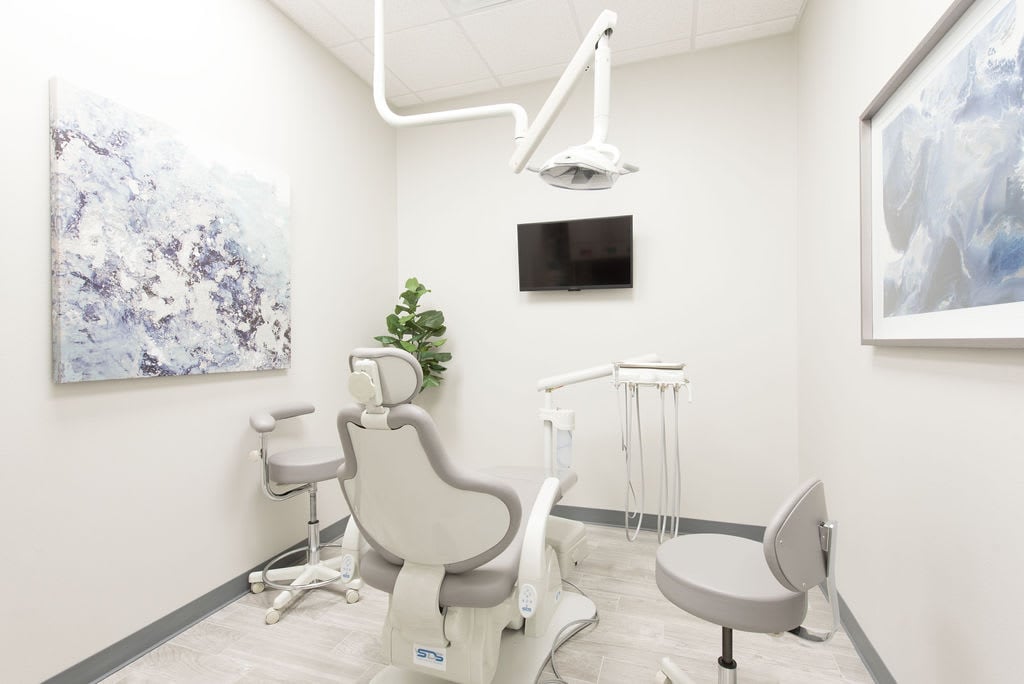
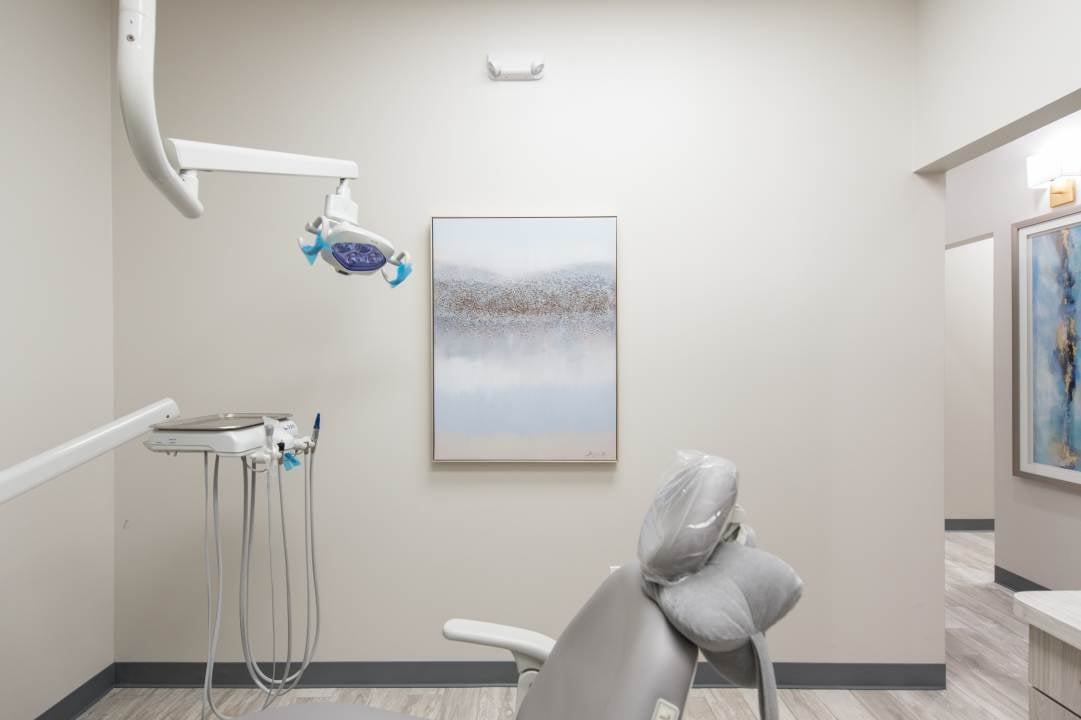
At Thrive Dental & Orthodontics, we want children and parents to feel comfortable every step of the way. An orthodontic evaluation is simple, gentle, and designed to help us understand how your child’s smile is developing.
During the visit, we may:
- Examine tooth alignment and jaw growth
- Check how the bite fits together
- Take digital X-rays or photos if needed
- Look for spacing or crowding concerns
- Discuss whether treatment, monitoring, or no intervention is recommended
In many cases, no immediate treatment is needed. Sometimes the best next step is simply monitoring growth over time so treatment can begin at the ideal stage if necessary.
We know parents want clear answers and honest guidance. Our team takes time to explain what we’re seeing, answer questions, and help families feel confident about the next steps.
Why Early Orthodontic Evaluations Matter
Many parents worry that an early orthodontic evaluation automatically means years of braces, but that’s usually not the case.
Often, early orthodontic care simply allows your orthodontist to monitor development and step in only if needed at the right time. Because children’s jaws are still growing before age 10, some orthodontic concerns are easier to guide earlier rather than waiting until growth is complete.
Early orthodontic evaluations may help:
- Create room for permanent teeth
- Improve bite function
- Lower the risk of dental injuries
- Guide healthy jaw development
- Reduce the need for more extensive treatment later
Straight teeth and balanced jaw alignment don’t just improve appearance, they can also support healthier brushing habits, clearer speech, and better long-term oral health.
At Thrive Dental & Orthodontics, we believe every child deserves a healthy, confident smile and a positive experience along the way.
Schedule Your Child’s Orthodontic Evaluation
If you’ve noticed any of these signs, now is a great time to schedule an orthodontic checkup. Early evaluations can provide peace of mind and help ensure your child’s smile is developing in the healthiest direction possible.
Whether your child needs treatment now or simply monitoring as they grow, our team is here to guide and support your family every step of the way.
Ready to take the next step? Contact us today to schedule your child’s visit with Thrive Dental & Orthodontics.